CorDev Corporate Development Telekom Business Partner

A real problem. The right specialists.

Inspect bondingat the right process stage.

Adhesive application, wetting and the cured joint each pose a different inspection task. We clarify where inspection can add useful evidence in your line.

Discuss inline bond inspection Initially free
and non-binding
No account requiredThe method can remain open
Aaron ScallaAaron ScallaManaging Director, CorDev GmbH
Inspection principleThree process stages. Three inspection objectives.
Schematic principle, not to scale. The drawings explain the inspection task; performance must be validated on real components. See the detailed principle ↓
You describe the problem. We clarify the next technical step.Component → objective → suitable specialist

Your starting point

Where does your process lose confidence?

Share page
LinkedInWhatsAppFacebookE-Mail
01

Application varies

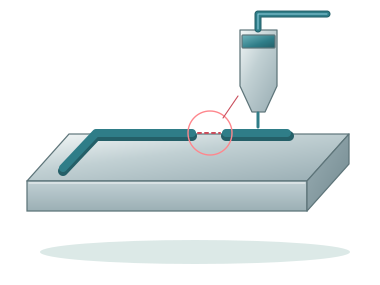
Bead position, interruptions or amount should be checked immediately after application.
02

Wetting is uncertain

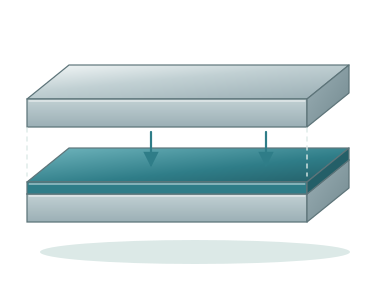
After joining, the relevant contact surfaces are hidden.

03

The joint must withstand load

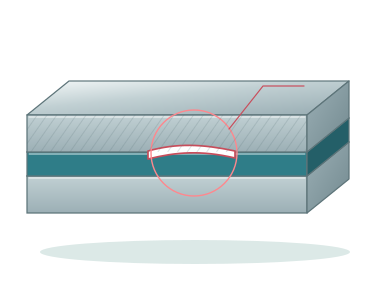
The cured bond needs suitable evidence of hidden defects and required performance.

The inspection principle
Three process stages. Three inspection objectives.

Schematic · not to scale

01Inspect application

Assess bead position, interruptions and visible geometry before joining.

02Joining and wetting

After joining, the contact surfaces and adhesive distribution are concealed.

03Assess the cured joint

Evaluate hidden defects and the required strength evidence separately.

Schematic principle, not to scale. The drawings explain the inspection task; performance must be validated on real components.

A practical technical start

Choose the inspection point deliberately.

The station must address the relevant defect and fit the process, handling and cycle time.

After application
Bead position, continuity and visible geometry; include lighting, field of view and tolerances.
After joining
Evaluate access and the possible detection of concealed wetting defects.
After curing
Define discontinuities, reference testing, allowed inspection time and handling of suspect parts.

What happens next

A clear next step for your inspection task.

  1. 01

    Describe the problem

    A short description is enough to begin. Add photos or requirements if available.

  2. 02

    Clarify the task

    CorDev clarifies open questions with you and identifies the support your task needs.

  3. 03

    Agree the next step

    We agree the involvement of suitable specialists with you. Testing or a pilot requires a separate agreement.

Define your inspection task

Do you need to monitor application or inspect the finished joint?

Illustrative scenario

A line should detect a break in the adhesive bead before joining. This differs from examining the finished joint. A pilot describes and evaluates the two tasks separately.

This is an illustrative task, not a customer case or a performance promise.

Useful information for your enquiry

  • Inspection location before or after joining and physical access
  • Defect catalogue, variants and total cycle including handling
  • Interfaces, reject handling and result documentation

The next useful outcome: A defined pilot with good, defective and borderline cases before an equipment decision.

Discuss this task ↗

Your inspection task

What do you need to establish on your component?

Describe what you observe and what you want to achieve. You do not need to know the right technology yet.

Aaron Scalla
Aaron ScallaYour contact at CorDev

TopicInline adhesive bond inspection

Initially free and non-binding. No account required.

Add files, timing or technical details
Add further requirements
Open the full technical request form ↗

Your request goes to CorDev first. We agree any transfer to suitable specialists with you. A request is not a paid order. Privacy

Security check

Enter the six digits shown in the image.

Loading security code…
* Required fields

Before you ask

Frequently asked questions.

Can a camera inspect the whole bond?

A camera can inspect visible application features. Concealed interfaces and strength require separate evaluation.

What determines cycle time?

Handling, positioning, stabilisation, measurement, evaluation and transfer all count.

How is the station accepted?

Define relevant defects and limits first, then evaluate performance under representative conditions using suitable independent evidence.

Does submitting create a paid order?

No. Paid work requires a separate, express agreement.

Technical background