CorDev Corporate Development Telekom Business Partner

A real problem. The right specialists.

Machine vision fordefect detection.

Need to detect, count or locate defects automatically? We bring image acquisition, evaluation and validation into one concept for your component and line.

Discuss your vision task Initially free
and non-binding
No account requiredThe method can remain open
Aaron ScallaAaron ScallaManaging Director, CorDev GmbH
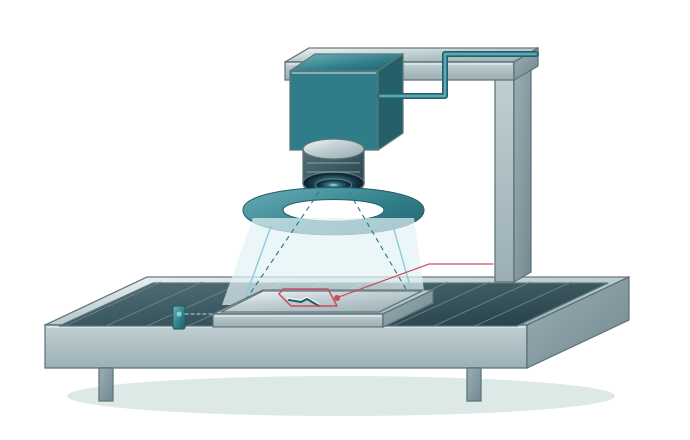
Inspection principleCamera, illumination and inspection area belong together.
Schematic principle, not to scale. The drawings explain the inspection task; performance must be validated on real components. See the detailed principle ↓
You describe the problem. We clarify the next technical step.Component → objective → suitable specialist

Your starting point

What should machine vision establish?

Share page
LinkedInWhatsAppFacebookE-Mail
01

Detect defects

Find relevant features and distinguish acceptable variation.

02

Check position or completeness

Assess presence, assembly or feature location within the process.

03

Evaluate real performance

The system needs to work on unseen images and in day-to-day production.

The inspection principle
Camera, illumination and inspection area belong together.

Schematic · not to scale

01Optical inspection station

Camera, lens, ring light, trigger and component on a conveyor are shown schematically.

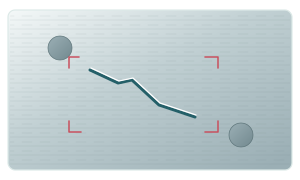
02Enlarged inspection area

The drawn feature is an example, not the result of actual image analysis.

Schematic principle, not to scale. The drawings explain the inspection task; performance must be validated on real components.

A practical technical start

Three elements. One inspection concept.

The solution starts with acquisition. Software needs images that reveal the relevant feature.

Camera and optics
Field of view, relevant feature size, working distance, motion and acquisition time.
Light and positioning
Stable visibility despite variation, reflection and changing surroundings.
Evaluation and validation
Compare rule-based and learning-based approaches; hold out independent real images and borderline cases.

What happens next

A clear next step for your inspection task.

  1. 01

    Describe the problem

    A short description is enough to begin. Add photos or requirements if available.

  2. 02

    Clarify the task

    CorDev clarifies open questions with you and identifies the support your task needs.

  3. 03

    Agree the next step

    We agree the involvement of suitable specialists with you. Testing or a pilot requires a separate agreement.

Define your inspection task

Are the features visible and can decisions be tested independently?

Illustrative scenario

A camera should detect missing features and damage across several variants. The trial separates image acquisition from evaluation, then tests the complete system on previously unused images.

This is an illustrative task, not a customer case or a performance promise.

Useful information for your enquiry

  • Field of view, relevant features, variants and component motion
  • Camera, optics, illumination and existing interfaces
  • Separate development data and independent acceptance data

The next useful outcome: A testable overall concept that evaluates missed defects and falsely rejected good parts separately.

Discuss this task ↗

Your inspection task

What do you need to establish on your component?

Describe what you observe and what you want to achieve. You do not need to know the right technology yet.

Aaron Scalla
Aaron ScallaYour contact at CorDev

TopicMachine vision defect detection

Initially free and non-binding. No account required.

Add files, timing or technical details
Add further requirements
Open the full technical request form ↗

Your request goes to CorDev first. We agree any transfer to suitable specialists with you. A request is not a paid order. Privacy

Security check

Enter the six digits shown in the image.

Loading security code…
* Required fields

Before you ask

Frequently asked questions.

Can we use our existing camera?

Possibly. Field of view, image quality, illumination and relevant feature size must match the task.

Do we need a neural network?

Not always. Clearly defined features may be handled by classical vision. Learning methods depend on variation and defect requirements.

How should a pilot start?

Define the objective, data and evaluation criteria, then test representative real images before planning integration.

Does submitting create a paid order?

No. Paid work requires a separate, express agreement.

Technical background