CorDev Corporate Development Telekom Business Partner

A real problem. The right specialists.

Understandsurface defects.

Scratches, pits or unusual textures are missed or assessed inconsistently? We clarify which features matter and how to make them visible under your production conditions.

Show your defect Initially free
and non-binding
No account requiredThe method can remain open
Aaron ScallaAaron ScallaManaging Director, CorDev GmbH
Inspection principleDistinguish defects from acceptable texture.
Schematic principle, not to scale. The drawings explain the inspection task; performance must be validated on real components. See the detailed principle ↓
You describe the problem. We clarify the next technical step.Component → objective → suitable specialist

Your starting point

Which feature causes problems?

Share page
LinkedInWhatsAppFacebookE-Mail
01

Scratches and grooves

Visibility changes with surface finish and lighting angle.

02

Pits and chips

Local defects must be separated from acceptable texture and contamination.

03

Inconsistent decisions

The boundary between acceptable variation and relevant defects is unclear.

The inspection principle
Distinguish defects from acceptable texture.

Schematic · not to scale

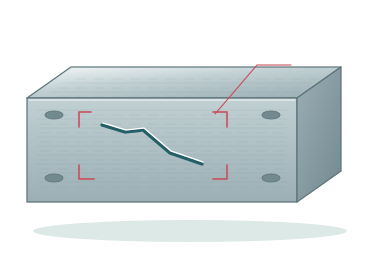
01Scratch / groove

An elongated depression is drawn in the material; a separate marker identifies it.

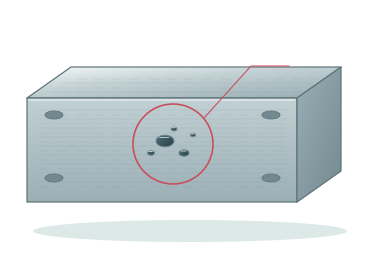
02Pit / chip

Local depressions have different geometry from a continuous groove.

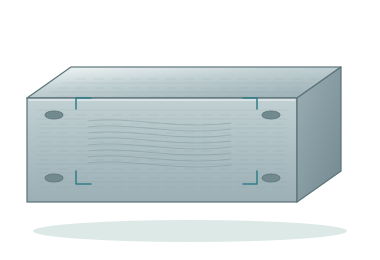
03Acceptable texture

A regular structure can be acceptable when agreed limits and real reference samples support that decision.

Schematic principle, not to scale. The drawings explain the inspection task; performance must be validated on real components.

A practical technical start

Define acceptable and defective clearly.

Representative images and an agreed defect catalogue are the starting point.

Visibility
Match surface, reflections, viewing angle and illumination to reproducible feature visibility.
Acceptance limits
Define type, location and allowed extent; assess borderline samples together.
Daily variation
Include batches, colours, orientation, contamination and acceptable texture in testing.

What happens next

A clear next step for your inspection task.

  1. 01

    Describe the problem

    A short description is enough to begin. Add photos or requirements if available.

  2. 02

    Clarify the task

    CorDev clarifies open questions with you and identifies the support your task needs.

  3. 03

    Agree the next step

    We agree the involvement of suitable specialists with you. Testing or a pilot requires a separate agreement.

Define your inspection task

Which visible deviation actually requires rejection?

Illustrative scenario

Scratches on a reflective surface receive inconsistent assessments. Define relevant defects, acceptable texture and borderline samples before investigating visibility under suitable imaging conditions.

This is an illustrative task, not a customer case or a performance promise.

Useful information for your enquiry

  • Surface, variants and acceptable visual differences
  • Defect types, location, extent and agreed borderline samples
  • Available images, lighting, positioning and motion

The next useful outcome: A defect catalogue and a defined imaging task for comparing suitable solutions.

Discuss this task ↗

Your inspection task

What do you need to establish on your component?

Describe what you observe and what you want to achieve. You do not need to know the right technology yet.

Aaron Scalla
Aaron ScallaYour contact at CorDev

TopicDetect surface defects

Initially free and non-binding. No account required.

Add files, timing or technical details
Add further requirements
Open the full technical request form ↗

Your request goes to CorDev first. We agree any transfer to suitable specialists with you. A request is not a paid order. Privacy

Security check

Enter the six digits shown in the image.

Loading security code…
* Required fields

Before you ask

Frequently asked questions.

Is one photograph enough?

It helps explain the task. Technical evaluation usually needs more images, good comparison parts and trials on the actual component.

Does this require AI?

Not necessarily. Classical vision, learning-based methods or a combination may fit.

What matters for shiny surfaces?

Illumination and imaging geometry must make the relevant feature visible before reliable evaluation is possible.

Does submitting create a paid order?

No. Paid work requires a separate, express agreement.

Technical background